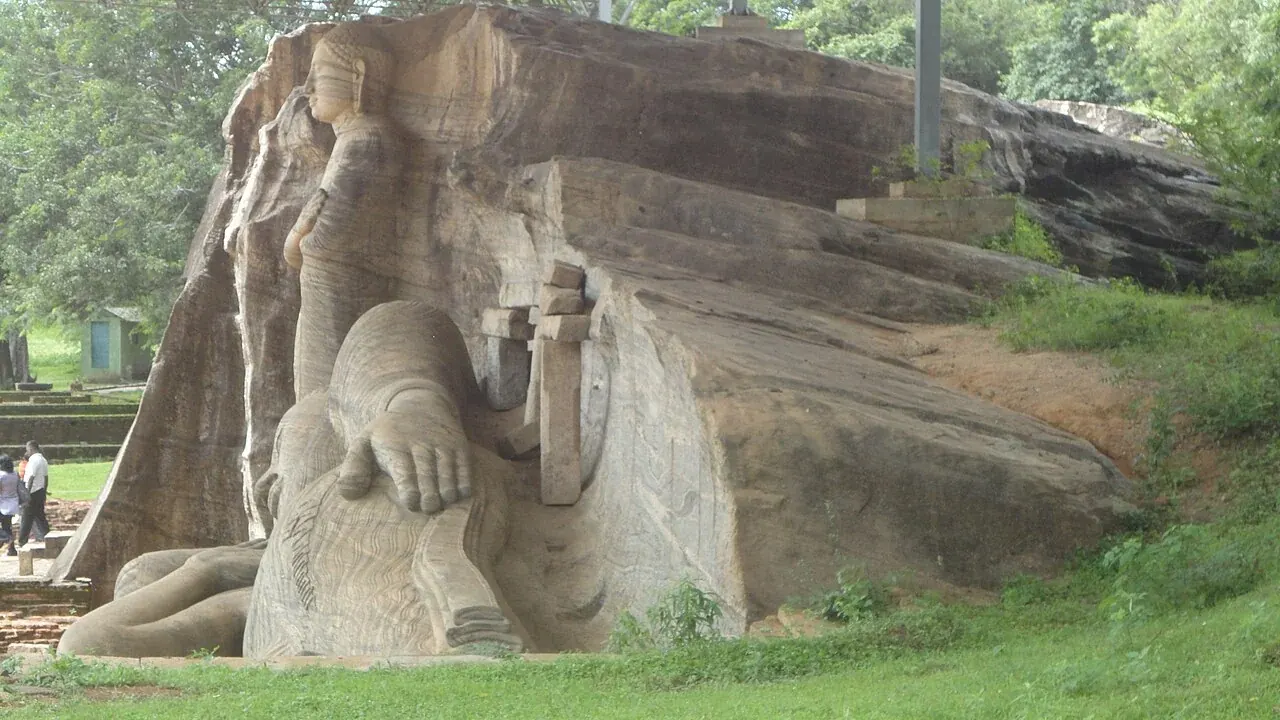
Gal Vihara
Buddha figures carved into a granite face are among Polonnaruwa’s most distinctive monuments. Study the rock-cut Buddha figures quietly and follow sacred-site photography and footwear rules.
Destinations / Cultural Triangle · Cultural / Nature
Ancient ruins, reservoirs and a cycling-friendly heritage landscape.
CULTURAL TRIANGLE / CULTURAL / NATURE
Polonnaruwa offers an archaeological day of stone temples, royal remains and reservoir scenery. A guide and a selective route make the history easier to follow.
Stay lengths and visit plans are Lankaora editorial suggestions. Adjust them to your interests, access and onward route.
HISTORY & CHARACTER
The city succeeded Anuradhapura as a major medieval capital. Its UNESCO-listed remains preserve royal and religious monuments alongside an irrigation landscape closely associated with the kingdom.
Background: Polonnaruwa reference · UNESCO property record.
PLACES & LANDSCAPES
Nearby outings are labelled separately. They may need their own transfer, ticket or guide; they are not all inside Polonnaruwa. Check current access before travelling.
Buddha figures carved into a granite face are among Polonnaruwa’s most distinctive monuments. Study the rock-cut Buddha figures quietly and follow sacred-site photography and footwear rules.
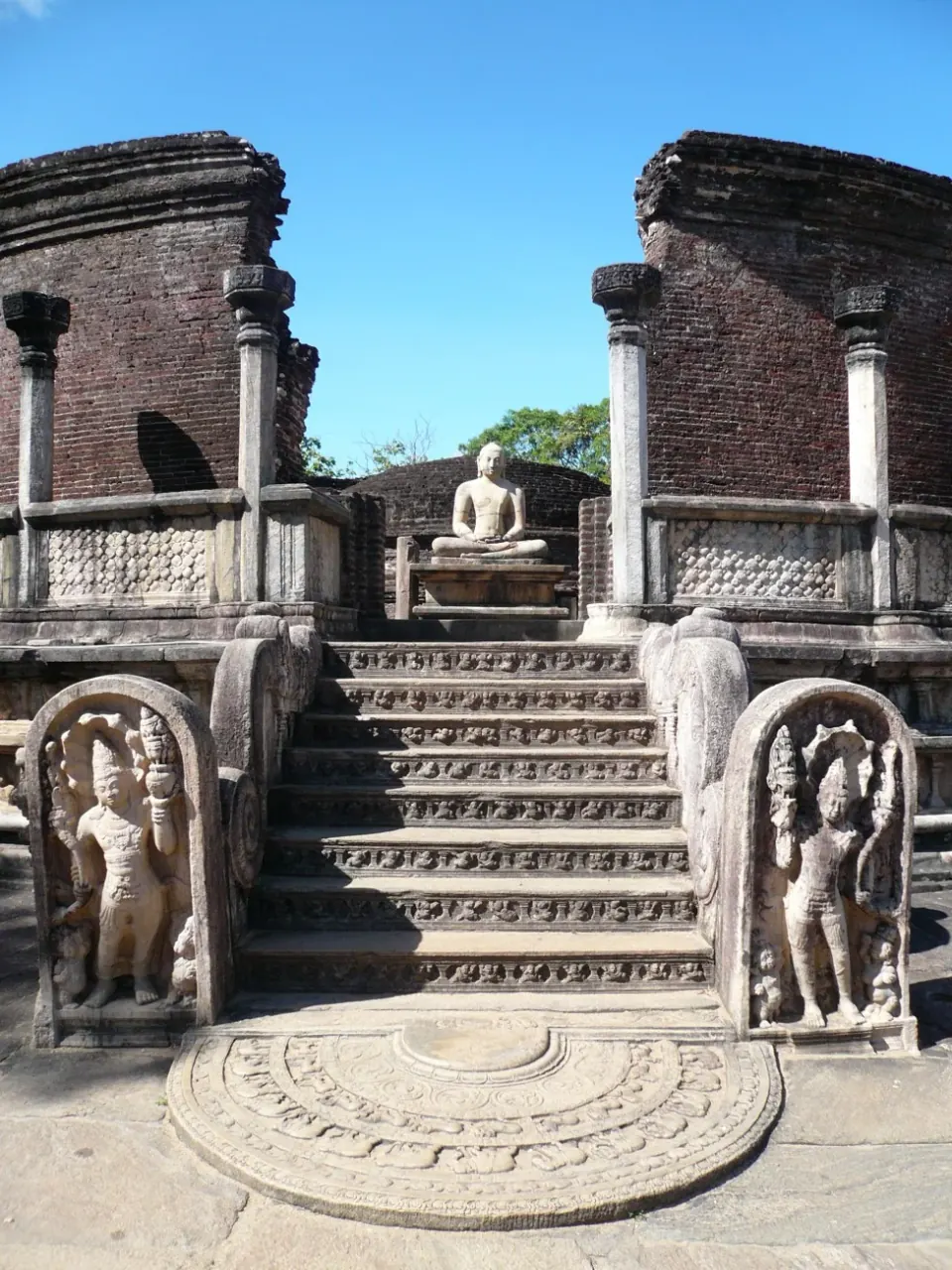
A circular relic-house arrangement brings stone columns and carved details into close view. Explore the circular relic-house setting without climbing on ancient structures.
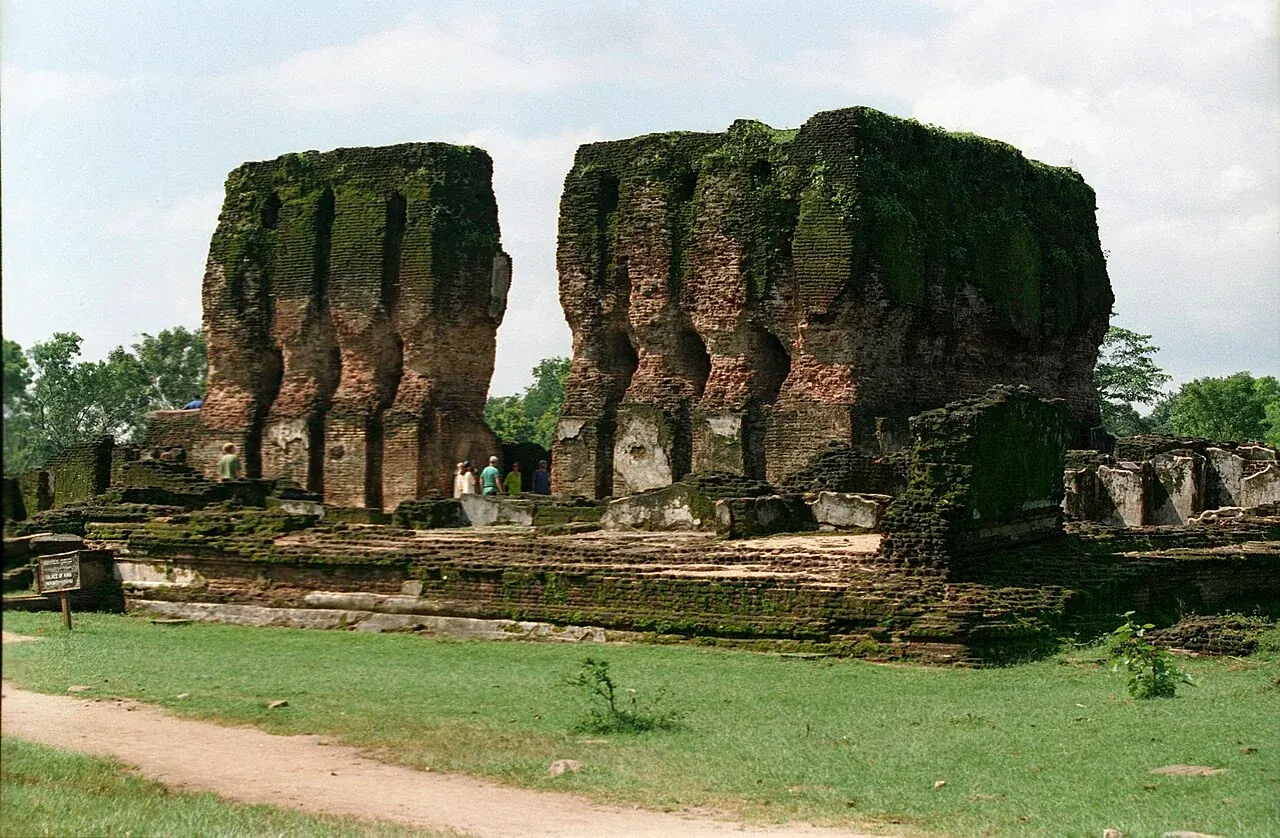
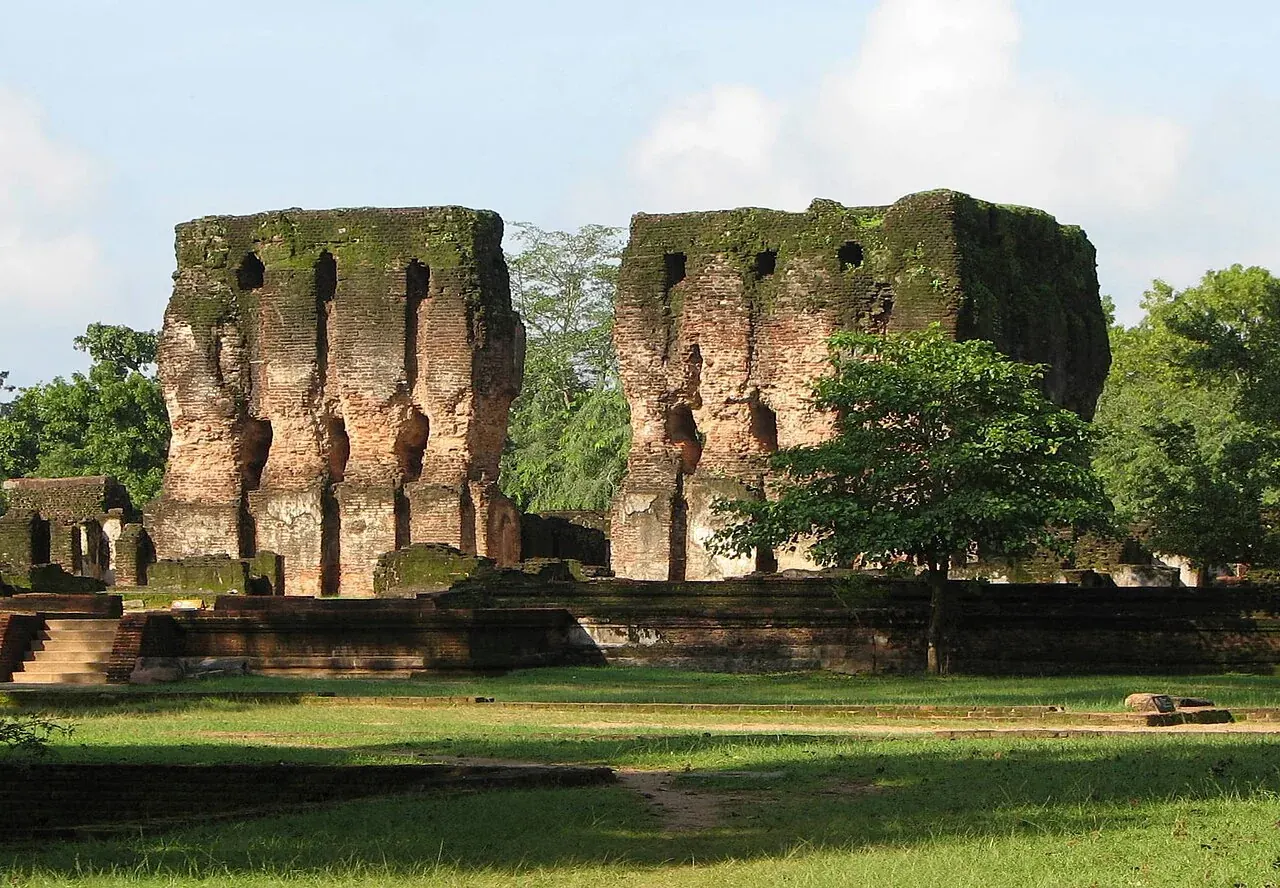
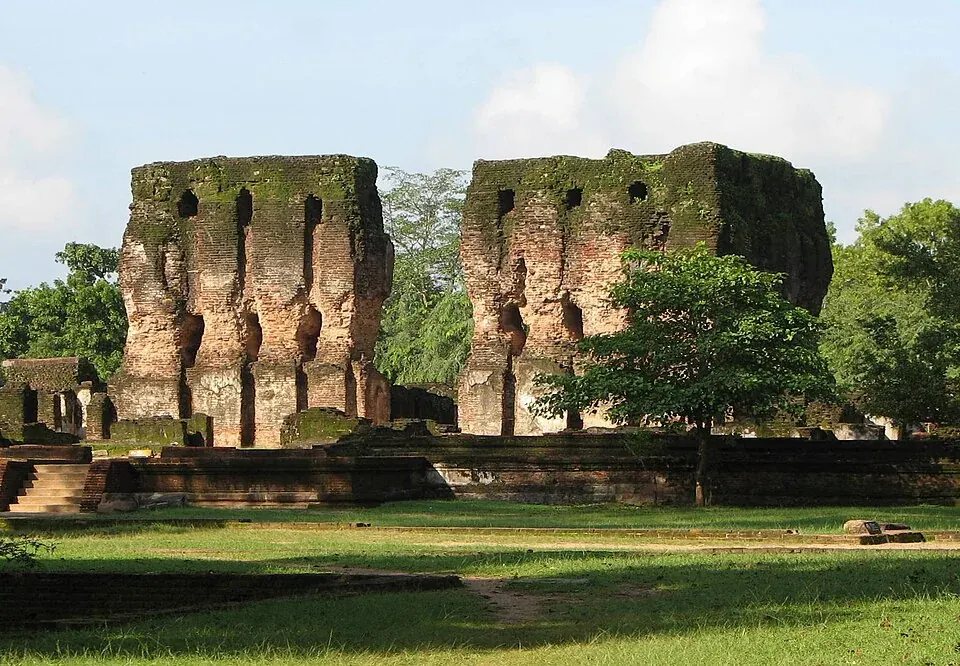
The surviving royal remains help establish the scale of the medieval capital. Use the ruins to understand the royal precinct, with interpretation rather than reconstruction imagined as fact.
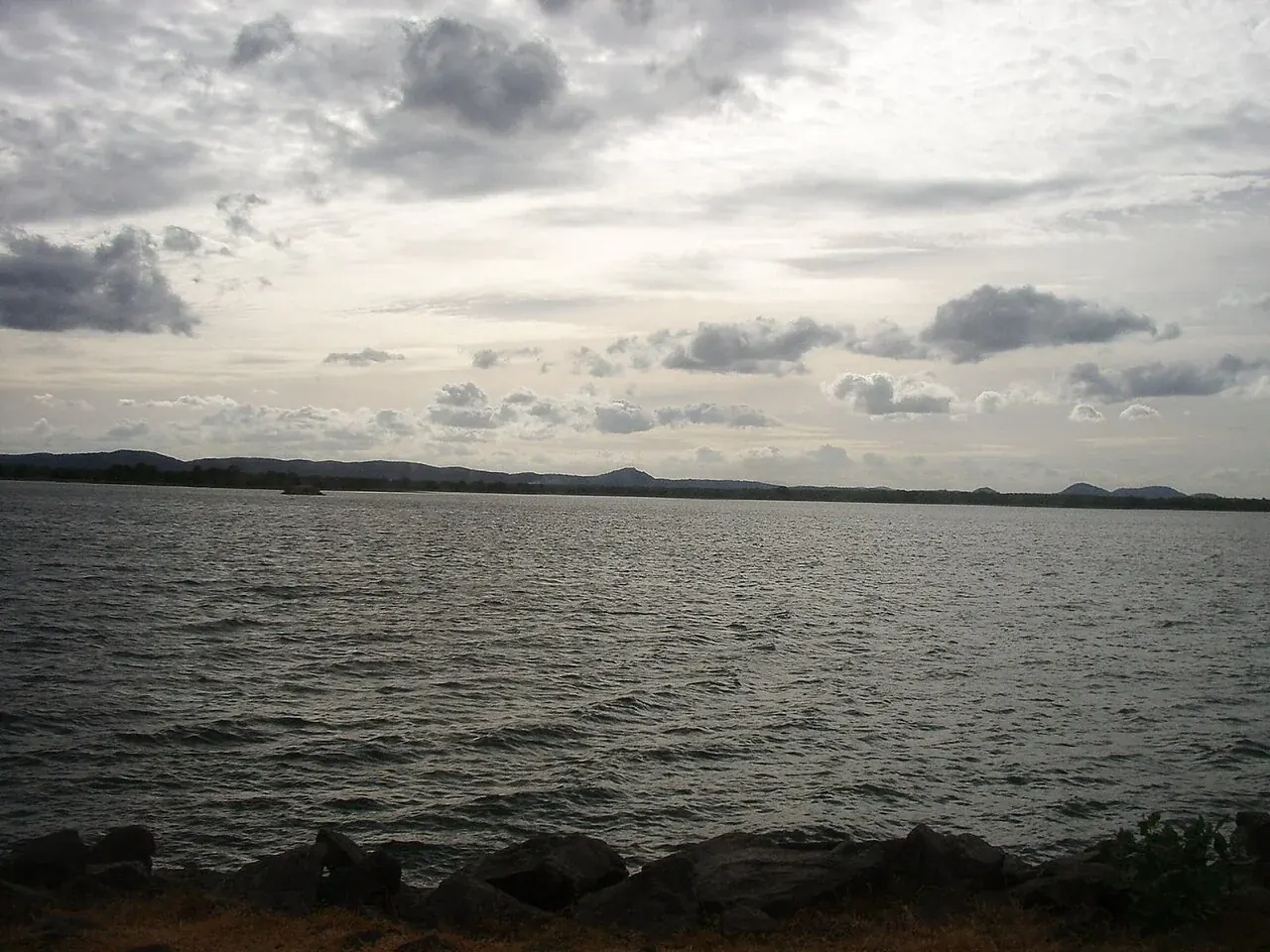
The reservoir landscape is a reminder that irrigation and kingship were closely connected. Add a permitted waterside stop to understand how irrigation connects with the city’s history.
EXPERIENCE THE PLACE
A guide can connect the royal precinct, religious sites and reservoir.
Compare a supported cycle outing with a vehicle route around heat and ability.
Leave time for sculpture and architectural details without touching them.
PLAN YOUR VISIT
These are flexible visit ideas, not a booked tour or live schedule. Keep arrival, departure and weather-dependent days lighter.
Visit the royal precinct and selected sacred monuments, pause for lunch, then give Gal Vihara time of its own.
Explore a few additional remains or a reservoir-side stop before continuing, rather than repeating a rushed circuit.
PRACTICAL PLANNING
Carry water and plan shaded breaks; cycling is optional, not essential.
Confirm current CCF ticket arrangements and individual visitor rules.
Dress respectfully and follow signs on footwear, photography and access.
Visitor information: UNESCO background · Sri Lanka Tourism. Check current access, tickets and operating arrangements for your actual dates.
CONNECT YOUR JOURNEY
These are onward ideas, not a promise of short transfers. Compare actual road routes and allow a travel buffer.
MAKE IT YOUR JOURNEY
Add this place to your draft, then adjust your interests, time and pace.
Guide reviewed: . Visit plans and suggested stays are editorial estimates.
Visitor resources: UNESCO background · Sri Lanka Tourism.
Polonnaruwa · Gal Vihara · Polonnaruwa Vatadage · Parakrama Samudra
Polonnaruwa — Bernard Gagnon · Original photograph · CC BY-SA 3.0. Displayed resized or cropped.
Gal Vihara — Singhalawap · Original photograph · CC BY-SA 3.0. Displayed resized or cropped.
Polonnaruwa Vatadage — Lankapic · Original photograph · CC BY 2.5. Displayed resized or cropped.
Palace of Parakramabahu I — Jerzy Strzelecki · Original photograph · CC BY 3.0. Displayed resized or cropped.
Parakrama Samudra — No machine-readable author provided. Jolle~commonswiki assumed (based on copyright claims). · Original photograph · CC BY-SA 3.0. Displayed resized or cropped.
Destination cover: source and licence.


